Quick verdict: The strongest creative brands make the buyer's job easier before checkout: they explain audience fit, licensing, support, updates, and the production problem they solve.
Creative buyers often discover products through a polished launch page, a template preview, a founder thread, or a marketplace listing. Presentation matters in this category, but it is not enough. A credible creative brand tells you who the product is for, what the license allows, how support works, what happens after purchase, and where the product fits in a real production workflow.
This is an editorial desk review based on public product pages, support documentation, pricing or license pages where available, and design-production workflow analysis. It does not claim private lab access, undisclosed vendor briefings, or direct hands-on review unless a page says so. Readers can review About Design Overflow and our editorial policy before relying on any recommendation.
Commercial link: Check current Wacom Intuos Pro details. Design Overflow may earn a commission if a partner credits this link, but the recommendation above is based on fit, license clarity, support risk, and source evidence.
Quick Verdict Matrix
| Option | Best fit | Main strength | Watch before buying |
|---|---|---|---|
| Design system brands | Studios delivering reusable UI and brand systems | Figma, zeroheight, Storybook, Frontify, and Penpot shape governance options | Famous names still need fit checks |
| Type and licensing brands | Teams choosing fonts for client work | Adobe Fonts, Monotype, Fontspring, Google Fonts, and marketplaces clarify rights | License terms can vary by final use |
| Creative hardware brands | Designers who depend on color or pen input | EIZO, BenQ, ASUS ProArt, Dell, Wacom, Xencelabs, Huion, and XPPen publish specification proof | Specs still need workflow interpretation |
| Marketplace brands | Teams buying templates, UI kits, stock, and assets | Envato, Creative Market, UI8, Adobe Stock, and Figma Community can accelerate production | Asset sameness and license variation remain real risks |
| Approval workflow brands | Teams managing stakeholder signoff | Filestage, Ziflow, PageProof, and Workfront reduce review ambiguity | Too much workflow can slow small teams |
The Brand Signals That Matter
The first signal is audience clarity. The second is licensing clarity. The third is support posture. The fourth is update discipline. A creative brand that hides usage rights, support terms, or product fit behind vague inspiration language creates buyer risk before checkout. The names below are not ranked by popularity; they are category signals worth monitoring because their decisions shape how studios choose software, type, hardware, templates, and approval workflows.
Design system brands: watch how they define system ownership
Figma remains central because collaboration and libraries are familiar. zeroheight turns documentation into a clearer operating manual. Storybook proves coded components. Frontify broadens the system into portals and assets. Penpot keeps open-source ownership in the conversation. The right brand depends on whether the studio needs design production, code proof, or client-facing guidance.
Type and licensing brands: treat rights as part of the product
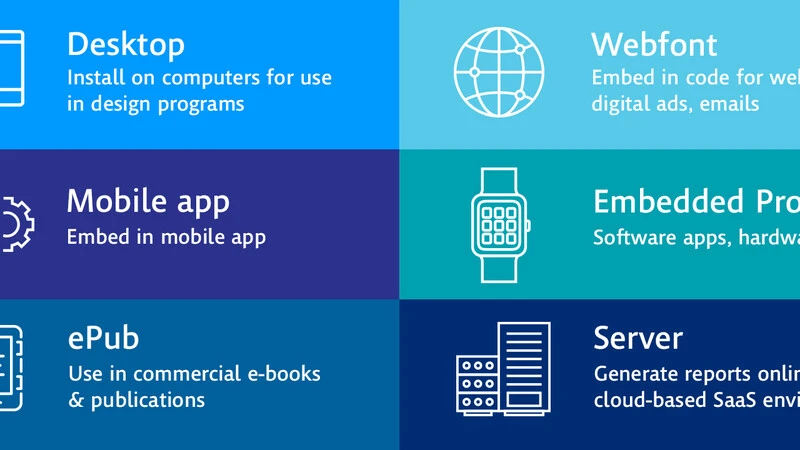
Typography brands require caution because usage rights can follow a client for years. The strongest brands explain desktop use, web serving, app embedding, client ownership, and redistribution. A beautiful specimen is not enough if the buyer cannot confirm how the font may be used.
Creative hardware brands: connect hardware claims to production risk
Hardware brands are easier to inspect physically but still need evidence. A monitor should be judged by color space, calibration, support, warranty, and connectivity. A tablet should be judged by pen feel, driver support, ergonomics, and compatibility.
Marketplace brands: use marketplaces for speed, not identity replacement
Marketplaces can help a studio move quickly, but a marketplace asset should accelerate structure rather than replace brand judgment. Strong marketplaces show file format, license coverage, creator identity, refund rules, and enough preview detail to judge quality.
Approval workflow brands: match brand promise to approval complexity
Approval brands matter because creative quality often depends on review discipline. The strongest option is the one that clarifies current version, unresolved comments, required approvers, and final signoff for the team size involved.
Buyer Scenarios
Use the shortlist against a real production scenario before buying. A solo designer, a three-person studio, an in-house creative operations team, and a client-side brand manager do not have the same risk. The safest decision names the current project, the person responsible for adoption, the budget owner, the license or support risk, and the exit path if the product stops fitting. If the team cannot name those five things, the product may still be interesting, but the buying decision is early.
For client work, document the source, account owner, license or renewal rule, and files that need to remain accessible after the project closes. That handoff discipline is especially important for fonts, stock assets, templates, hardware warranties, and systems that depend on paid seats. A tool that looks inexpensive at checkout can become expensive when the next designer cannot access the files, when a license does not cover the final deliverable, or when a reviewer approves the wrong version.
How to Choose Without Overbuying
Before trusting a creative brand, ask whether the intended audience is clear, pricing and renewal terms are findable, license rights are explained, support paths are visible, and the product solves a real production problem. Those questions protect taste from avoidable operational mistakes.
The practical rule is simple: buy for the bottleneck you can name, not for a feature list you might use later. If the bottleneck is version confusion, fix review status. If the bottleneck is license uncertainty, fix rights documentation. If the bottleneck is color trust, fix the monitor and calibration process. If the bottleneck is production speed, use templates as a starting structure rather than a finished brand decision.
Internal Reading
For related decisions, read review methodology, creative software deals, template marketplace guide, monitor guide. The goal is to connect each purchase to the broader studio system rather than make isolated tool decisions.
Sources Checked
- Figma design systems
- Monotype font licensing resources
- Google Fonts licensing glossary
- Envato Elements license
- BenQ PD3225U product page
- Wacom Intuos Pro product page
FAQ
What makes a creative brand credible?
A credible creative brand makes audience fit, pricing, licensing, support, update history, and product limits easy to understand. Strong visuals help, but they are not enough. The brand should explain who the product is for, what it does not solve, and how a buyer can maintain the work after purchase.
Should buyers trust every polished design brand?
No. Strong presentation is useful, but buyers still need pricing clarity, license terms, support signals, refund or trial rules, and proof that the product fits the job. A polished launch page can hide weak documentation, vague ownership, or an asset that looks impressive but is hard to adapt for real client work.
What is the biggest red flag?
The biggest red flag is uncertainty before purchase: unclear usage rights, missing support terms, vague pricing, unsupported formats, or a product page that never says who should skip it. Good creative brands reduce ambiguity. They help buyers understand fit, limits, and long-term maintenance before asking for payment.
How should brand pages connect to product reviews?
Use brand coverage as the first screen, then read a specific product review, comparison, or buyer guide before buying. A brand page can explain positioning and trust signals, but a product-level article should handle specs, pricing, license terms, workflow fit, alternatives, and the decision points that affect a real purchase.
Studio Implementation Notes
For brand review, watch how a vendor behaves after the first sale. Strong creative brands keep documentation current, answer support questions clearly, show realistic examples, and explain how updates affect existing customers. Weak brands lean heavily on launch aesthetics while hiding limits, license details, or support expectations. A studio should also check whether a brand admits who should not buy. That negative guidance is a trust signal because it shows the vendor understands fit. Brands that claim to serve every designer, every budget, and every workflow usually require more buyer caution.
Final Studio Decision Check
Brand trust also depends on what the company makes easy before payment. A strong creative brand lets buyers find license terms, support paths, compatibility notes, product limits, pricing, and examples without forcing a sales conversation for basic facts. That does not mean every product must be cheap or self-serve. Enterprise products can still be credible when they explain the buyer profile and evaluation path clearly. The weak pattern is a brand that speaks only in visual mood and outcome promises while hiding operational details. For a studio, those details are not minor. They determine whether the purchase can be handed to a client, renewed next year, used in commercial work, or supported during a deadline. The best brands reduce that uncertainty early.
Production Proof Before Purchase
A final pre-purchase check should include one real project artifact. For software, use a live component, proof, template, font, or asset instead of a theoretical example. For hardware, place the device in the actual desk setup and confirm cable reach, lighting, ergonomics, warranty, and support path. For marketplaces and licenses, record the exact source, permitted use, account owner, and handoff note. This practical check keeps the decision grounded in production rather than preference. It also gives the studio a reusable audit trail if the client asks why the product was chosen later.
Decision Record
One more safeguard is to write the decision in plain language before purchase: what problem is being solved, what evidence supports the choice, who maintains the tool or asset, what would make the team replace it, and which source should be checked when terms change. That note is small, but it prevents future readers from mistaking a dated preference for a current recommendation.